

Centre Operations
Practical guides for running a childcare centre, preschool or enrichment academy. Staffing, attendance, ratios, safety and the daily routines that keep a centre running.
What you'll find here
- Setup checklists for attendance, billing, and compliance reporting
- Staff-to-child ratio guidance per Indonesia regulations
- Templates for licensing audits and daily documentation
- How to consolidate multi-platform workflows into one system
Why operations are the quiet lever for every center
Great childcare feels effortless to families, but the reason it feels that way is operational discipline. When attendance, billing, and compliance all run on paper or in separate tools, teachers lose two to three hours per day to administrative work, time that was meant to be with children. A center that consolidates these flows onto one platform typically reclaims eight to ten hours per staff member per week. That reclaimed time is the difference between a child being drilled through a schedule and a child being seen. The articles in this hub focus on the operational decisions, how to set up attendance, how to wire billing to real-time rosters, how to prepare for licensing inspections, that quietly shape the everyday experience for both families and teachers.
What good looks like in 2026
The bar for operations has risen sharply in the last three years. Parents now expect digital check-in, real-time room cameras or daily photo feeds, mobile-first billing with Indonesian payment rails, and licensing documentation that can be produced in seconds rather than days. Staff expect the same operational clarity on their side, ratio alerts that prevent compliance breaches, one-tap incident reports, and a single place to message parents that the director can audit later. Every post in this category maps to one of those expectations, with concrete setup steps you can act on the same week.
All articles in Centre Operations

Your Class Is Full: When to Open a Second One, and When Not To
Open the second class only when the seats you can actually fill in it cover what the second instructor costs you for that slot. A full register proves demand for one time, not for more capacity. Until the committed count clears that line, raising the fee or moving the slot is the cheaper answer.

A Child With Special Needs Wants to Join Your Class. How to Decide.
Decide on what one instructor can run in a single session, not on the diagnosis in the enquiry. Ask four questions, run one trial with agreed observation points, then answer with a plan: a place with named adjustments, or a referral. Indonesia's school accommodation regulation does not name private course centres.

Taking a Class Off-Site Without Losing Track of a Child
An outing is run on its transitions, not its destination. Split the group into short named lists with one adult owning each, and count at every boundary the group crosses rather than once at the gate. Almost every loss happens at a toilet, a shop or a boarding step, where the group briefly stops being a group.

What to Do When a Parent Complains About Your Class
Reply the same day, in writing, saying what your record shows rather than what you remember. Most complaints at an activity centre come down to a fee, a message that never arrived, or a session a parent believes went differently, and a record settles all three. Fix the record first, then the relationship.

Three Routines, One Dancer, One Sunday: Scheduling a Dance Studio's Recital Season
Put the extra rehearsal blocks on the same calendar as the ordinary class week, before you cast anyone. Recital season adds four different kinds of session, not more of the usual one. Cast first and schedule second, and you build the collisions yourself. Send every change to the channel each family already reads.

Antar-Jemput: What Indonesian Law Requires When Your Centre Drives Children
Charge for the ride and UU 22/2009 Pasal 1 angka 10 reclassifies your van as a Kendaraan Bermotor Umum, because the statute defines one by the fare collected, not by the owner. That pulls in periodic testing under Pasal 53, a SIM A Umum driver under Pasal 82, and compulsory liability insurance under Pasal 189.

How to Build a Level System for Your Classes: Lessons from Swimming, Music and Martial Arts
A class level system needs three things written down: what each level contains, what proof counts as passing, and who signs it off. Swim England defines 7 stages by outcomes. Trinity College London scores 100 marks with 60 to pass. Kukkiwon requires 60 in every subject from two of three examiners.

Daycare Food and Allergy Policy in Indonesia: What to Include
A daycare food and allergy policy should state what the centre serves, how allergies and dietary needs are recorded at enrolment, who may give a child food, whether food from home is allowed, and what staff do if a child reacts. Record restrictions on each child's profile so any caregiver can check before serving.

Daycare Emergency Preparedness in Indonesia: A Practical Guide
An Indonesian daycare prepares for emergencies by writing a plan for the real local hazards, earthquakes, floods, and fire, aligned with the national SPAB framework. Train staff and children on drop, cover, and hold, mark a safe assembly point and evacuation route, run drills regularly, and account for every child by name at the titik kumpul.

How to Start Coding Classes for Kids at Your Centre
Group children by ability rather than age, start visual block coding from around five or six and text languages from around nine or ten, and build a ladder of levels a child can climb over several terms. Find the instructor before buying devices, since the teacher decides whether the class works.

How to Run Robotics Classes for Kids at Your Activity Centre
Robotics differs from coding in one way that shapes everything: the kit is physical. Your class size is capped by the kits you own, not the chairs in the room, so buy kits for pairs, run a checkout and count routine every session, and structure terms around a project the child finishes and shows.

How to Add STEM and Coding Classes at Your Activity Centre
Start with one STEM format rather than a whole programme. Test demand with a paid holiday workshop before buying equipment, price it from your own instructor and kit costs rather than a competitor fee, and schedule it into afternoons you already pay rent on. Then run it as another class in the system you already use.

Daycare Sick Child Policy: When to Send a Child Home
A child should stay home from daycare when they have a fever, are vomiting, have diarrhoea, or show signs of a contagious illness such as flu Singapura or chickenpox. Most centres allow a return once the child has been symptom-free for a full day without fever medicine.

How to Handle and Document Incidents at Your Daycare
Handle a daycare incident by caring for the child first, then documenting what happened the same day and telling the parents directly. Write down the child's name, the time and place, what happened, the first aid given, and who was informed. Keep the report on file and have the parent acknowledge it.

How to Handle Late Pickups at Your Daycare: A Policy and Fee Guide
A daycare late pickup policy sets a clear closing time, a short grace period, and a late fee that starts once the grace period passes. Put it in writing at enrolment, record every actual check-out time, and apply the fee consistently. A written policy protects staff time and prevents disputes.

Building Strong Parent Communication in Preschools
Strong parent communication rests on explicit expectations set at enrolment, a deliberate cadence of daily, weekly, and monthly updates, channels that keep each family's news separate, and prompt, factual handling of difficult moments. Making it a documented system rather than one person's talent keeps the experience consistent.

How Early-Education Centres Run Smooth Daily Operations
Smooth daily operations come from designed routines, not improvisation. Separate check-in from greeting children at drop-off, plan ratio coverage around the real shape of your day, connect attendance to billing so records are entered once, and set a clear parent communication cadence. Documented routines survive staff changes.

Kurikulum Merdeka PAUD and Digital Progress Tracking: What Operators Need to Know
Kurikulum Merdeka PAUD asks operators to track each child's progress through observation across six development aspects and report regularly to parents against the Capaian Pembelajaran indicators. A digital tracking system maps the six aspects into domains, lets teachers log observations during normal class activity, and generates the semester raport perkembangan from accumulated data.
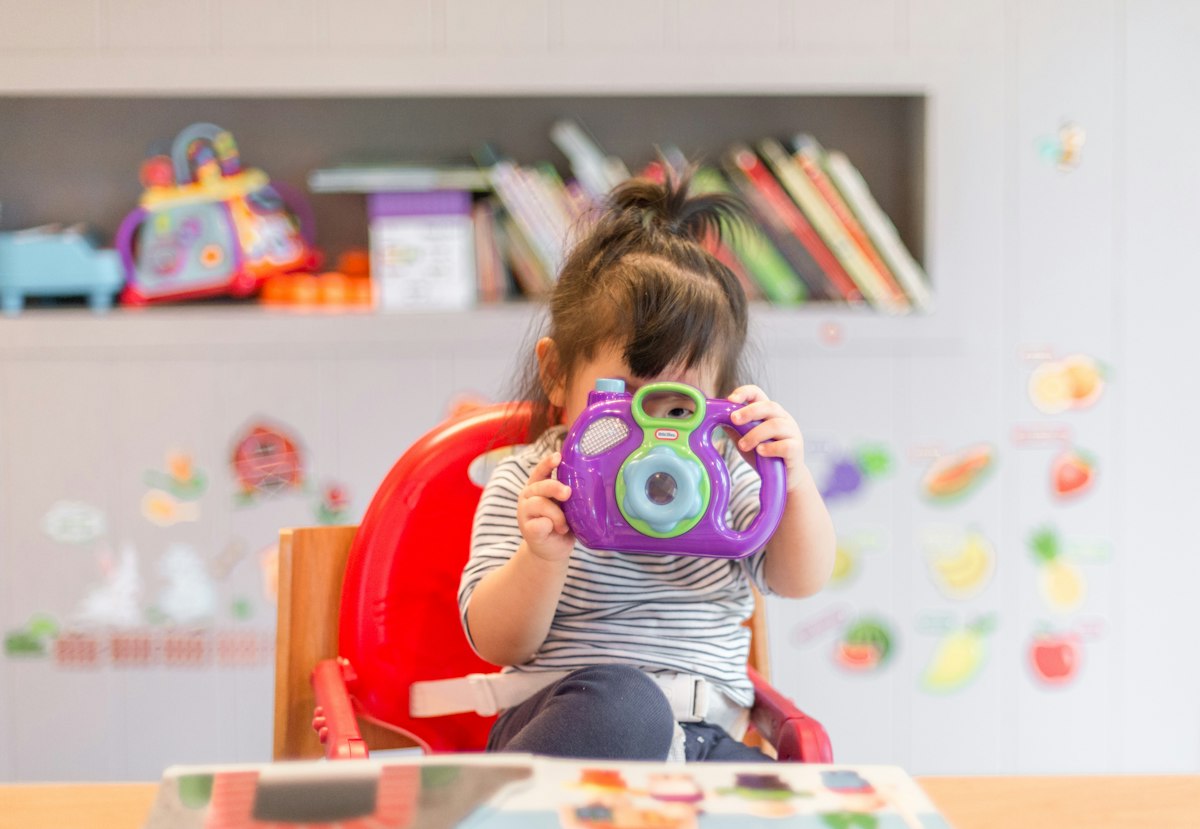
How to Send Progress Reports to Parents: A Guide for Childcare Operators
Send progress reports on a consistent cadence, organised by learning domain and covering three horizons: this period's progress, cumulative growth since enrolment, and the milestones ahead. Monthly or bi-monthly suits most PAUD and TK programmes, and connecting teachers' daily observation logging to automatic report generation keeps the workload sustainable.
Managing Non-Academic Children's Classes: Scheduling, Billing, and Parent Communication
Non-academic children's programs such as cooking, drama, and chess classes share the same operational needs as any daycare or bimbel: scheduling, enrollment, billing, and parent communication. A flexible management platform covers every program type in one system, with billing configured per program and messages sent only to the families enrolled in each one.

Digital Session Notes for Child Therapy Centers: Why Paper Records Fall Short
Paper session records at child therapy centers are easy to lose, hard for covering therapists to access, and slow to reach parents. Digital session notes attach every record to the child's profile in a consistent format, so authorized staff can review history instantly and parents receive a summary after each session.

Why Music and Dance Schools in Indonesia Are Moving to Digital Management
Music and dance schools in Indonesia are moving to digital management because WhatsApp groups, paper class lists, and manual billing create friction that grows with every new student. A management platform centralizes scheduling, automates invoicing from attendance records, and notifies only the affected families when a class changes.

Managing Class Schedules for Sports Academies: Paper vs Digital
Digital scheduling treats coach availability, facility capacity, and age-level rules as data instead of memory, so conflicts are flagged before they reach families. Cancellations trigger automatic parent app notifications, make-up sessions stay linked to absence and billing records, and parents check schedules without calling the front desk.

Bimbel Management Software: From Class Scheduling to Payment Collection
Bimbel management software connects class scheduling, session attendance, and billing in one system. It handles multiple subjects and levels under a single student account, generates invoices from actual attendance data, and lets parents pay via GoPay, OVO, Dana, QRIS, or bank transfer.
Happy Kamper App Features for Daycare and Preschool Providers
The Happy Kamper app gives daycare and preschool providers QR code attendance, daily reports with photos, parent messaging and announcements, automated billing with Indonesian payment methods, enrollment management, schedule booking, and compliance exports for Dinas Pendidikan, available on iOS, Android, and a web dashboard, in English and Bahasa Indonesia.
How Much Admin Time Daycare Management Software Saves, and What Those Hours Are Worth
Daycare management software saves time by automating the three biggest administrative workloads in an Indonesian center: billing (automatic invoices, payment links, and reminders), attendance (QR check-in with instant records), and parent communication (one update delivered to every relevant parent). Schedule management replaces spreadsheet upkeep, returning staff hours to teaching and family engagement.
Childcare Analytics and Reports, How to Use Data to Run a Better Center
Childcare analytics turn the attendance, billing, and enrollment data your center already collects into operational decisions. Review five core reports monthly, covering enrollment trends, attendance rate, revenue and collections, staff ratios, and program utilisation. Consistent review helps you spot churn risks early, meet Dinas Pendidikan reporting requirements, and plan expansion.
Childcare Daily Reports, What Parents Actually Want to Know
Parents most want five things in a daily childcare report: meals, naps, mood, activities, and any health observations. Reports that cover these points and arrive before pick-up reduce parent anxiety and build trust. Digital reports are faster to produce than paper and reach parents in real time.

How to Use QR Code Check-In at Your Childcare Center, Setup and Benefits
QR code check-in lets staff scan each child's code at the entrance to mark them present, creating a timestamped record with instant confirmation sent to parents. Setup involves enabling the feature in your platform, printing codes at every entrance, enrolling authorized adults, and briefing families before launch.
Parent Communication in Childcare: Best Practices for 2026
Strong parent communication is a leading driver of parent retention in childcare. Send brief daily updates covering activities, meals, nap times, and mood, with at least one photo. Use built-in messaging and daily reports instead of scattered WhatsApp groups to keep communication organized and professional.
How to Set Up Digital Attendance Tracking for Your Childcare Center
To set up digital attendance tracking, evaluate your center's needs, choose a check-in method (QR code, tablet kiosk, or staff-initiated), configure classrooms and rosters, enable alerts and billing sync, train staff and parents, then go live. The result is an accurate, timestamped, searchable record of every arrival and departure.
Frequently asked questions
About this editorial hub
Happy Kamper is an AI-powered childcare management platform for preschools, childcare centers, and enrichment academies in Indonesia. Our editorial team blends early-childhood educators, childcare operators from across Indonesia, and product designers who have spent years in the childcare tech space. Every article we publish is written by one of these specialists and reviewed by at least one other person before it goes live.
Pricing quoted in city guides is sourced from current published rates and family surveys conducted in each neighborhood. Regulatory and compliance information is cross-referenced against the original source documents, ECDA licensing guidance, JKM/KPM rules, and dated as of each article’s last update. Our editorial independence is simple: we recommend Happy Kamper when it is the best fit, and we recommend alternatives honestly when an alternative is the better match for your situation.
We welcome corrections and additions. The fastest way to reach the editorial team is through the Connect link in the site header, a team member responds within two business days. The “Updated” badge on each card tells you when an article was last reviewed; we update content whenever evidence, pricing, or regulation changes meaningfully.