

Parenting & Behaviour
Everyday parenting and behaviour for Indonesian families. Tantrums, discipline, sleep, screen time, separation anxiety and sibling conflict, answered by educators and child specialists.
What you'll find here
- Research-backed guidance on when children are ready for daycare
- Drop-off strategies proven to reduce separation anxiety
- Developmental-milestone checkpoints for ages 12-36 months
- WHO screen-time guidelines adapted for Indonesian families
Evidence-based, not anxiety-driven
The parenting internet is loud. Every post tells you the thing you are doing right now is causing permanent damage, and the thing you will not do is the thing you must. We try hard to do the opposite here. Every parenting article in this hub is anchored to the research that actually holds up across cultures, the long-running WHO guidance, the Harvard Center on the Developing Child, Singapore and Indonesian pediatric-association consensus papers, and adapted for Indonesian family structures where extended family, domestic help, and multi-language environments are the norm, not the exception. You will rarely find us telling you your child will be ruined. You will often find us telling you the decision in front of you matters less than you think.
When to use this hub versus when to call your pediatrician
These articles are good for framing decisions, comparing options, and calibrating what is within normal range for a given age. They are not a substitute for clinical judgement about YOUR child. As a rule: if something has been a concern for more than two weeks, if it is visibly worsening, or if a milestone is delayed by more than six months, book a pediatric visit. Otherwise, use this hub to separate the signal from the anxiety noise and spend the saved mental energy on the parts of parenting that cannot be outsourced to an article, being present, being patient, being predictable.
All articles in Parenting & Behaviour

Your Child Won't Sleep Until Late: Set Bedtime From the Wake-Up Time
Work backwards from the time your child has to wake up. The Health Ministry puts a one to two year old at 11 to 14 hours of sleep a day and a three to five year old at 10 to 13, naps included, and advises being asleep before 9 pm. Move bedtime earlier in small steps and shorten the nap.

N95, Surgical or Cloth: Which Mask Actually Protects a Child from Haze and Volcanic Ash?
For particles, only a certified respirator class does the work, meaning N95 or its P2, FFP2 and DS2 equivalents. A surgical mask filters well in a laboratory but leaked about a third of PM2.5 particles once worn in field trials, and cloth leaks more. No respirator standard is tested on a child's face, so fit, not the label, decides.

Toddler Biting at Daycare: What to Do at Home and What to Agree With the Centre
Biting between one and three is a language problem, not an aggression problem. It stops fastest when home and the centre answer the same trigger the same way, because that consistency is what changes the behaviour. If the skin broke, wash it under running water with soap before anything else.

Parenting Resolutions Worth Making
How to set parenting resolutions that survive past January, and five worth actually making.
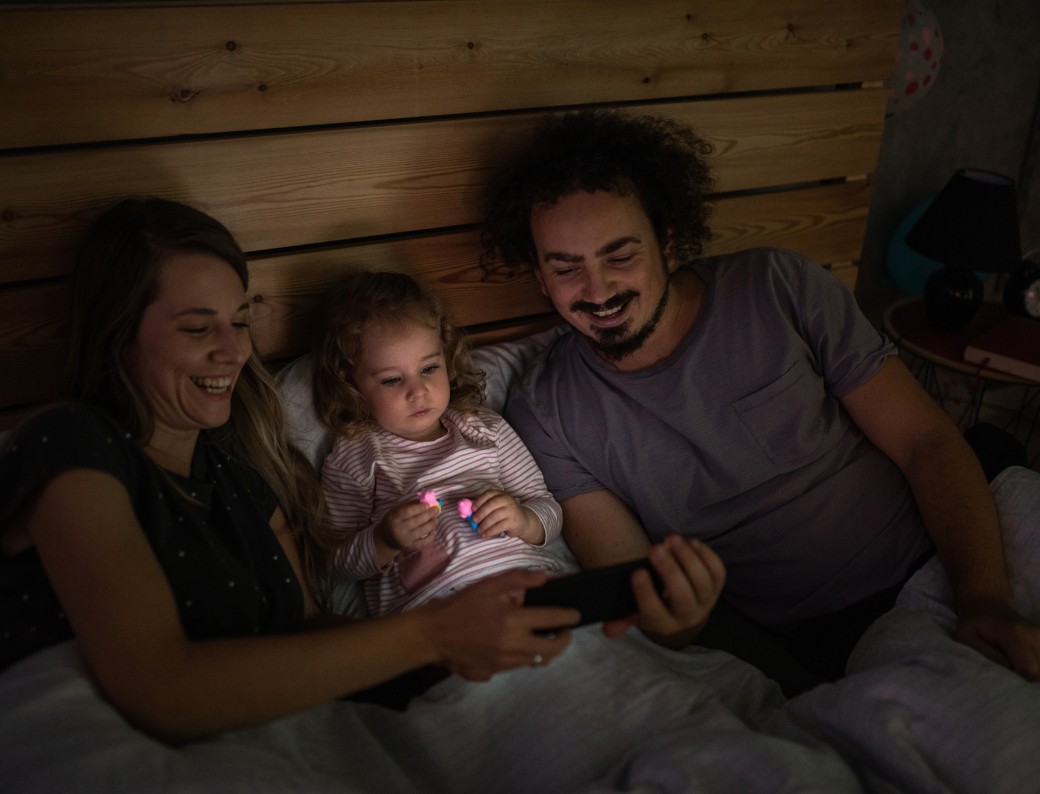
What Storytelling Does for a Child
Eight things reading a story aloud builds in a child, from vocabulary and imagination to moral values.

Nine Tips for Teaching a Child to Swim Safely
Teaching a child to swim yourself builds the basics and the relationship. Nine tips for doing it safely.
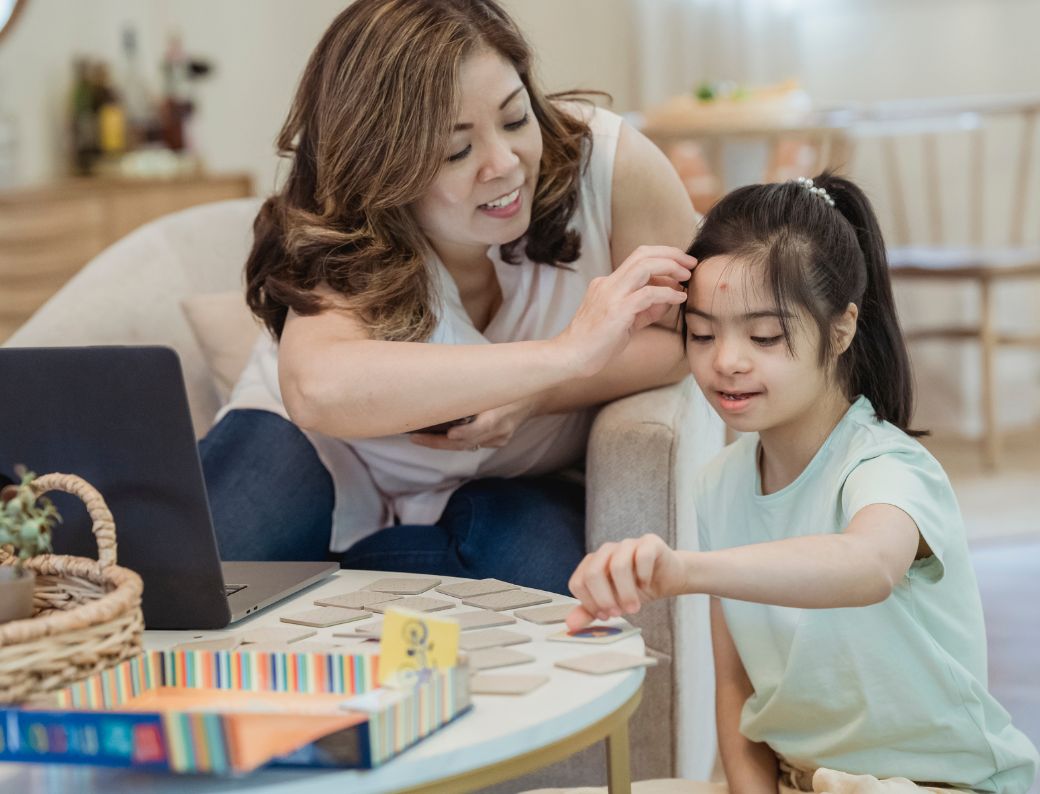
Teaching a Child With Special Needs
Teaching a child with special needs means adjusting the method. Ten approaches that make the learning land.

Does a Child's Happiness Affect How Fast They Learn?
A happy child concentrates better and recovers faster. What that means for how they learn.

How to Praise a Child Well and Build Real Confidence
"Clever girl!" does less than it looks. Four principles for praise that builds confidence, and 29 sentences to use instead.

Keeping a Child Comfortable on a Long Journey by Car or Train
Long journeys are hard on small children. Ten practical things that keep the trip comfortable, by car or by train.

10 Ways to Build Your Child's Confidence and Pride
A child's confidence is the foundation of a strong, independent character. Ten practical things you can do as a parent, plus the activities that build confidence fastest.
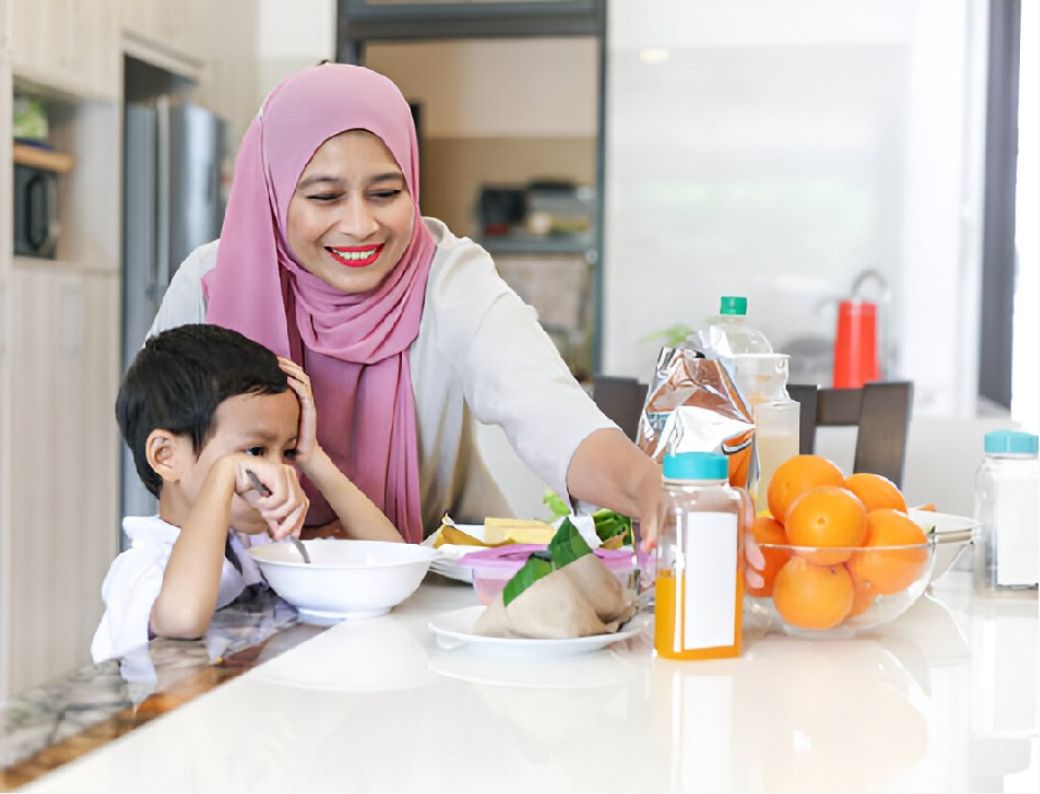
Teaching a Child to Fast, Stage by Stage
Readiness for fasting differs child to child. Here's how to introduce it by age, and seven ways to keep it a positive experience.

Why Time With Your Child Matters More Than You Think
Days pass quickly and bonding time is the first thing to go. Here's what it does for a child, what its absence costs, and how to protect it.
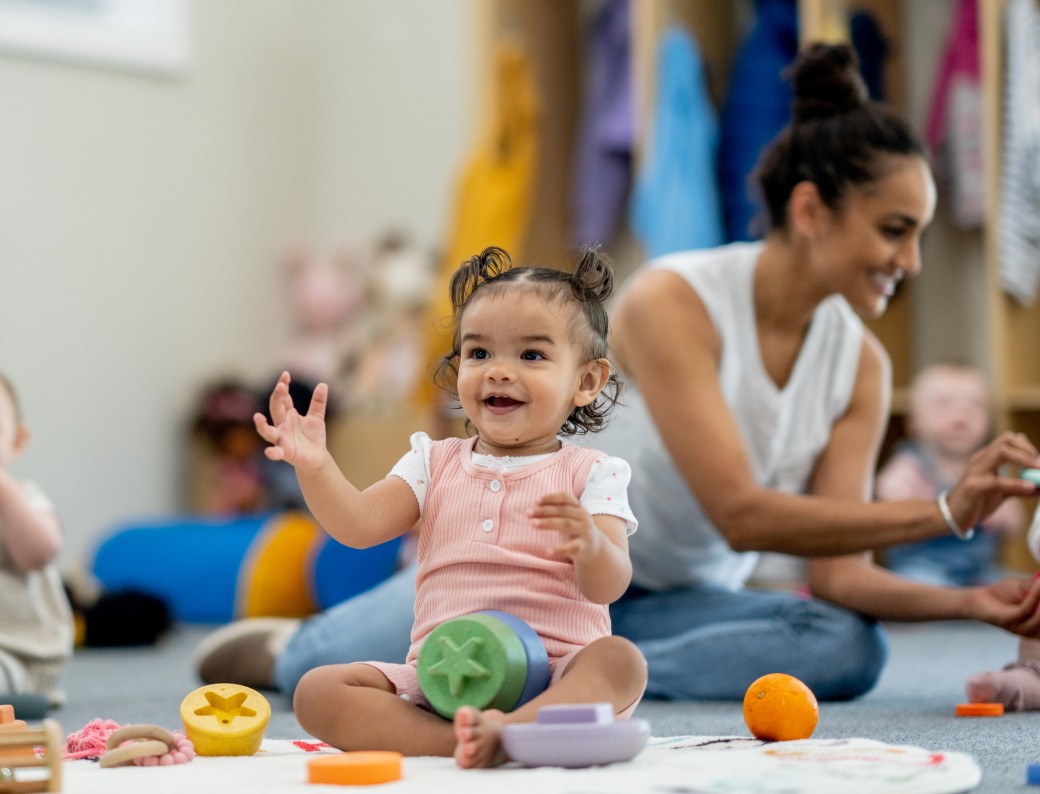
Why Daycare Helps a Working Mother
Guilt about daycare is common and mostly misplaced. Here are five things it gives a child, and one it gives you.
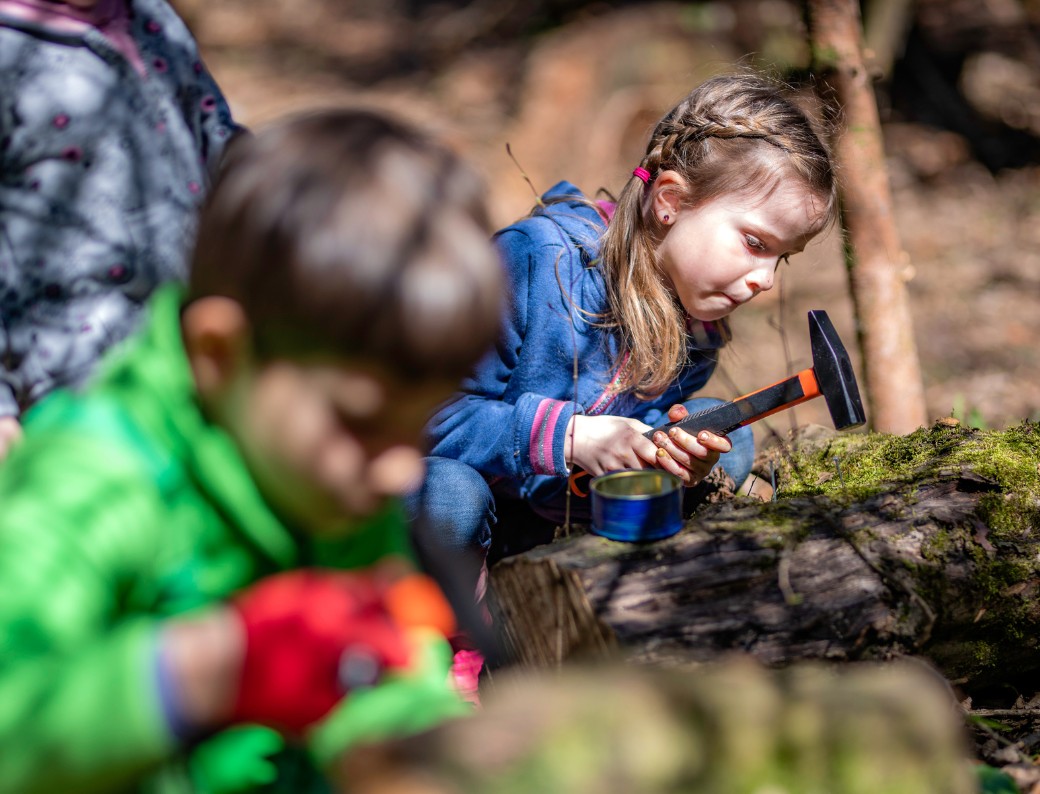
Creative Activities for a Bored Child, Plus Where to Go
Boredom is useful if a child has something to do with it. Five creative activities, three ways to manage free time, and nine studios across Indonesia.

When a Child Won't Study: Using STEM to Rebuild Motivation
Motivation is what makes learning stick, and school alone doesn't always supply it. Here's what STEM outside the classroom can do about that.
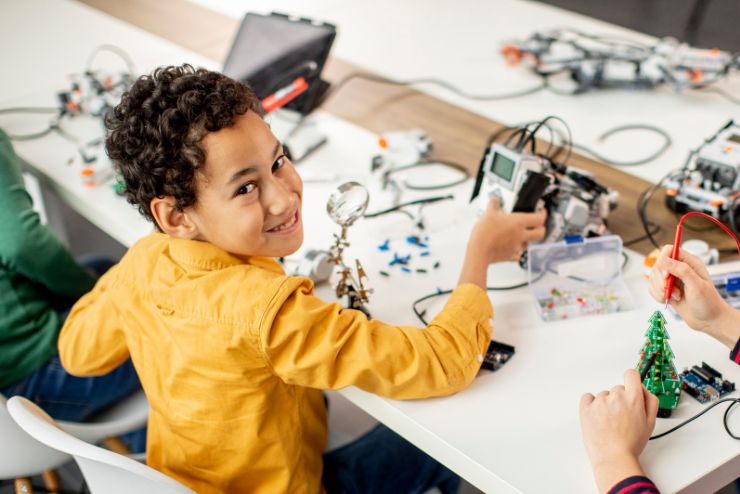
How to Help a Child Develop Their Potential
Working out what a child is genuinely drawn to comes before choosing anything. Here are four ways to find it, and five kinds of activity that build on it.

How to Get Your Child Reading: Choosing the Right Books
Competing with a screen is hard, but the payoff from reading is large. Here are eight ways to build the habit, and what to read at each age.

Teaching Tolerance Early: 5 Tips That Work
Children learn how to treat difference by watching how you treat it. Here are five practical ways to build tolerance before they start school.
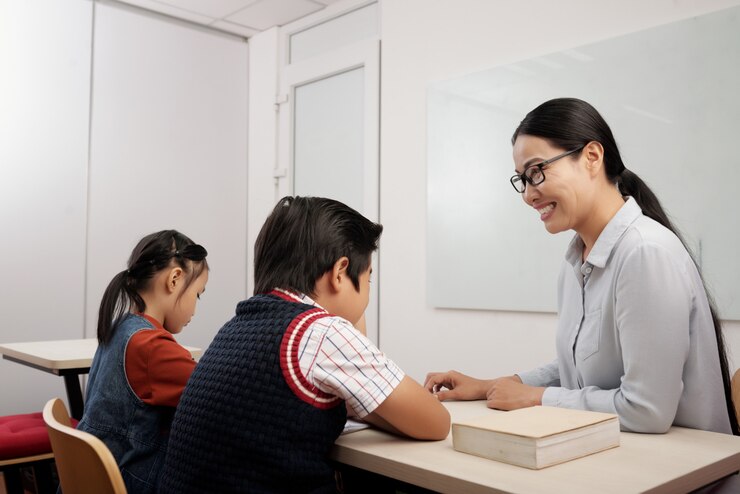
Bye-Bye Tantrums: Raising a Child Who Listens and Copes
Tantrums peak between 18 months and four, and they're a child telling you something they can't yet say. Here's how to handle one, and how to build the habits that reduce them.

Parenting Tips That Support How Your Child Develops
Parenting shapes cognitive, emotional and social development more than almost anything else. Here are three habits that undermine it, and four that support it.

Is Your Child Hooked on a Screen? How to Head It Off
Screens aren't the problem, quantity is. Here's what heavy use does to a child, and three practical ways to keep it from turning into dependence.

3 Common Parenting Mistakes Worth Avoiding
Children absorb what they see, which makes a parent's own behaviour the lesson. Here are three mistakes that are easy to make without noticing, and how to avoid them.
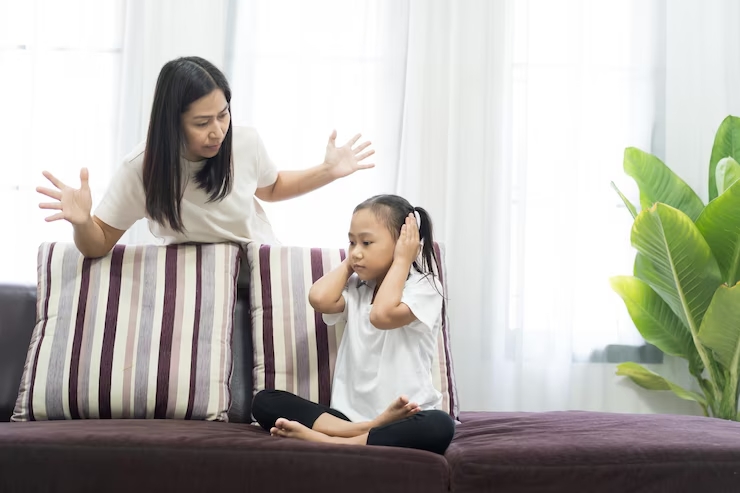
Protecting Your Child's Mental Health Through Positive Parenting
A child's mental health is easy to overlook and hard to rebuild. Here's what influences it, and how a positive parenting style supports it day to day.

Keeping Children Healthy: How to Build an Exercise Habit Early
Screens win easily when nothing else is on offer. Here's what regular exercise does for a child's body and mind, and four practical ways to build the habit early.

Build Their Confidence by Teaching Them to Socialise Early
Confidence is what a child builds everything else on, and socialising is one of the surest ways to grow it. Here's what it does for them and how to start early.
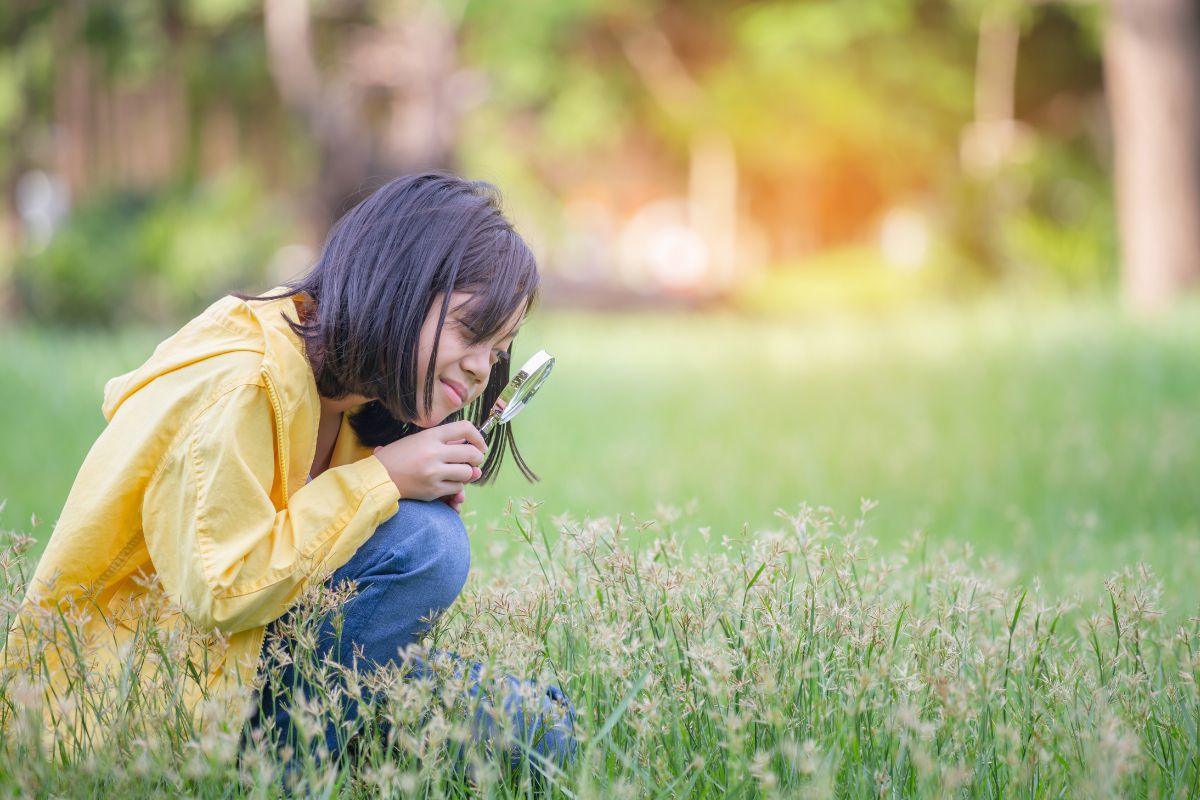
The Benefits of Learning Outside the Classroom, Not Just a Day Out
Learning outside the classroom isn't an aimless walk. Here's what children gain from it, the challenges schools face, and simple ways to start with your own child.

Air Quality and Kids Outdoor Activities in Jakarta: When to Move a Class Indoors
Move an outdoor class indoors at ISPU 101, the first band whose official description names harm to sensitive people, and children sit inside that group. Below it, look past the index at PM2.5, because ISPU 100 still permits 55.4 micrograms per cubic metre, well above the WHO guideline for a 24-hour average of 15.

Does Outdoor Play Protect Your Child's Eyesight? What the Trials Measured
Yes, for onset. In a cluster-randomised trial of 952 children in Guangzhou, adding 40 minutes of outdoor class each school day cut three-year myopia incidence from 39.5 percent to 30.4 percent. The Taiwan trial used 11 hours a week. Neither needed direct sun; 1000 lux, shade level, carried the effect.

Is My Child Just Shy? What Public Speaking Practice Actually Changes
Around 15% of children have the shy temperament researchers call behavioral inhibition. About 40% of them later develop an anxiety disorder, which means most do not. Public speaking practice does not remove shyness, and forcing it can entrench it. What changes the outcome is graded exposure plus what the adults around the child stop doing.

Sensory Play: What Children Actually Learn From the Mess
Sensory play is any play where a child explores with their hands, mouth, ears or eyes rather than being shown. In one study, 16-month-olds who handled jelly, ketchup and syrup in a highchair learned to name them by what they were made of. The mess is the mechanism, not the side effect.

How to Use the Happy Kamper App as a Parent: Complete Guide
To use the Happy Kamper app as a parent, download it free from the App Store or Google Play, set up a parent account, add your child's profile, then book activities, track attendance, receive daily reports and photos, message teachers, and pay invoices via GoPay, OVO, Dana, QRIS, or bank transfer.

Building a Healthy Lifestyle for Kids Through Physical Activity
Children aged 5 to 17 need at least 60 minutes of moderate to vigorous physical activity every day, per WHO guidelines. Build the habit by letting your child choose varied activities they enjoy, keeping exercise fun and social rather than pressured, and supporting it with adequate sleep and nutrition.

How to Balance School and Extracurricular Activities for Kids Without Burnout
Most primary school children do best with one to two structured activities per week, leaving room for homework, family time, and unstructured play. Watch for burnout signs like reluctance, moodiness, and slipping grades, involve your child in choosing activities, and review the schedule at the start of each term.

Child Safety at Enrichment Centers and Activity Studios, What Parents Must Check
Before enrolling your child, visit the center and check five things: equipment condition and flooring, visible first aid and clear emergency exits, instructor qualifications, staff-to-child ratios, and a controlled pick-up procedure. Because safety standards are not uniformly regulated across activity types in Indonesia, your own pre-enrollment inspection is the most reliable protection.
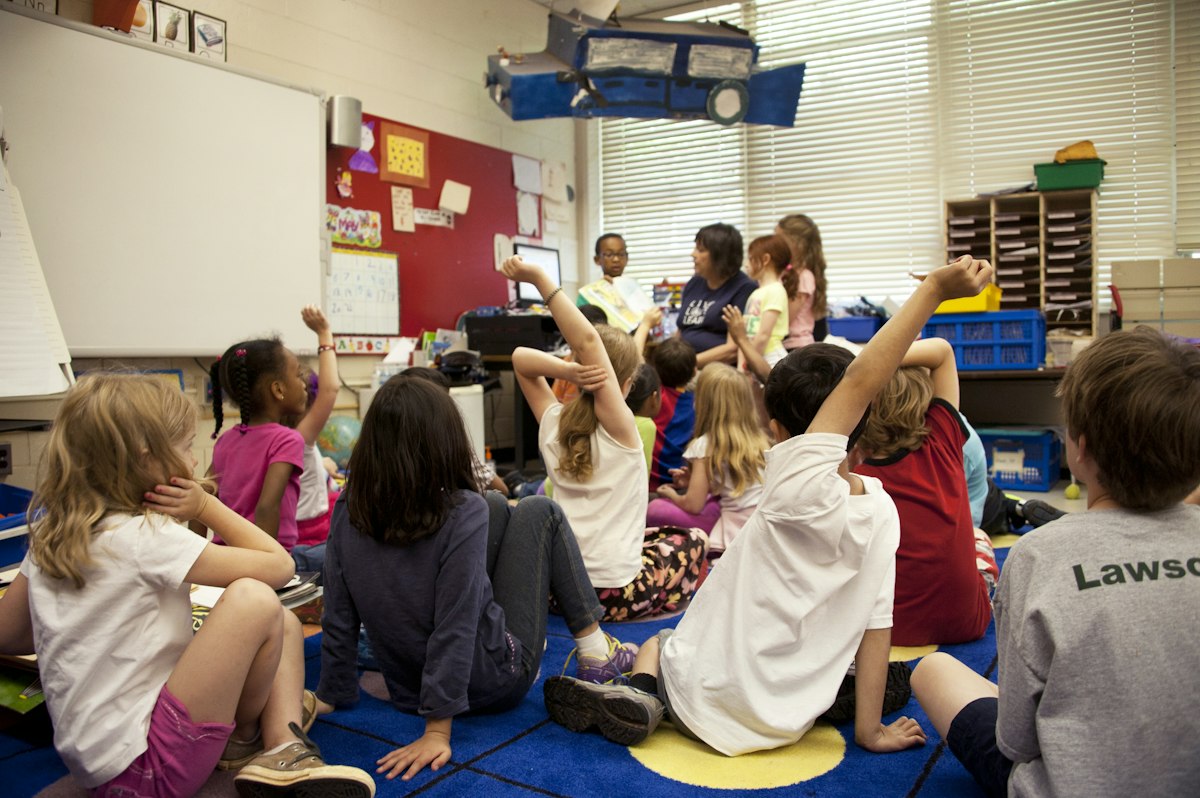
Separation Anxiety at Daycare: A Bilingual Survival Guide
Separation anxiety at daycare is a healthy sign of secure attachment, not a problem with the centre or your parenting. A short, predictable goodbye ritual reduces distress, and most children settle within two to four weeks of consistent drop-offs.

Playground Safety Guide for Parents: What to Check Before Your Kids Play
Before kids play, inspect equipment for sharp edges, broken parts, rust, and loose bolts, and check that surfaces underneath are soft. Keep visual contact at all times, and match the play area to your child age, since toddler and school-age zones should be separated.
Daycare vs Nanny in Indonesia: Which Is Best for Your Child?
Neither daycare nor a nanny is universally best in Indonesia. Daycare suits toddlers and preschoolers who benefit from structured learning and peer socialization, while a nanny suits younger infants needing one-on-one care. Your decision depends on your child's age, your schedule, budget, and location.
Frequently asked questions
About this editorial hub
Happy Kamper is an AI-powered childcare management platform for preschools, childcare centers, and enrichment academies in Indonesia. Our editorial team blends early-childhood educators, childcare operators from across Indonesia, and product designers who have spent years in the childcare tech space. Every article we publish is written by one of these specialists and reviewed by at least one other person before it goes live.
Pricing quoted in city guides is sourced from current published rates and family surveys conducted in each neighborhood. Regulatory and compliance information is cross-referenced against the original source documents, ECDA licensing guidance, JKM/KPM rules, and dated as of each article’s last update. Our editorial independence is simple: we recommend Happy Kamper when it is the best fit, and we recommend alternatives honestly when an alternative is the better match for your situation.
We welcome corrections and additions. The fastest way to reach the editorial team is through the Connect link in the site header, a team member responds within two business days. The “Updated” badge on each card tells you when an article was last reviewed; we update content whenever evidence, pricing, or regulation changes meaningfully.